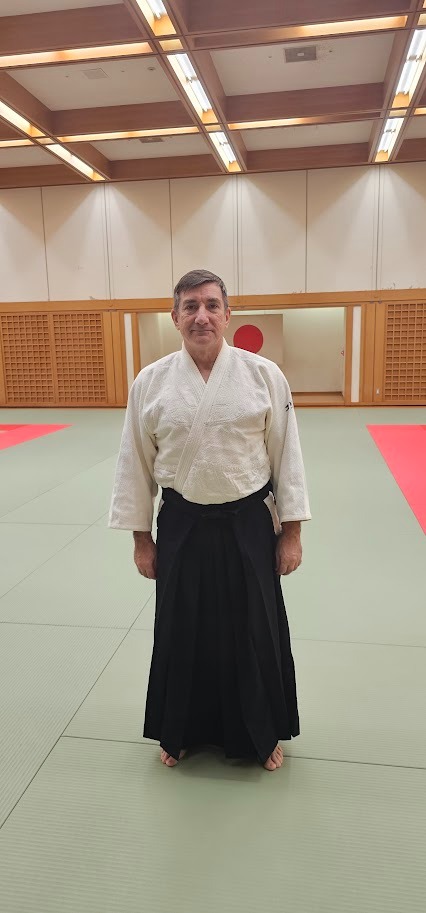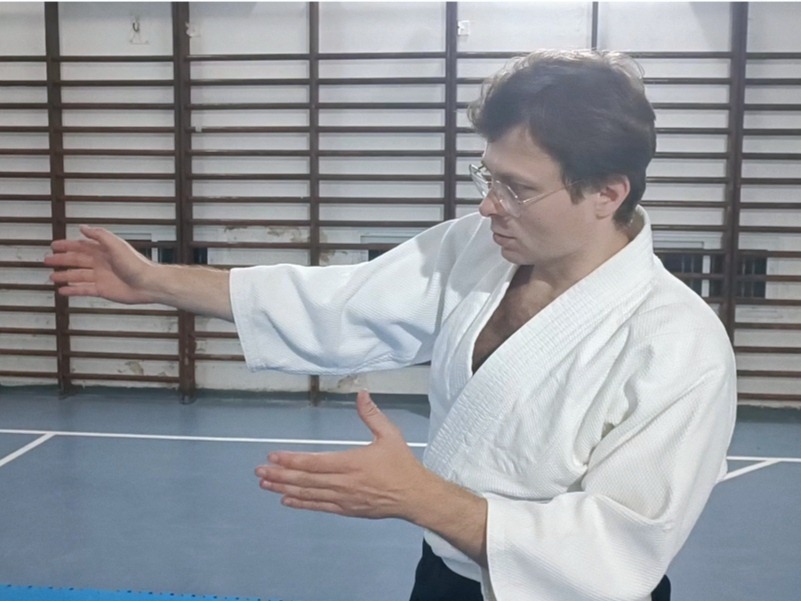
Shin Shin Toitsu Aikido — The Way to Harmony through Mind-Body Unification
Ki-Aikido (Shin Shin Toitsu Aikido — 心身統一合氣道) is a unique Japanese martial art founded by Sensei Koichi Tohei (1920–2011), the most senior student of Aikido founder Morihei Ueshiba and the first person to receive 10th Dan.
Unlike other martial arts, Ki-Aikido focuses not only on physical techniques but also on developing Ki (氣) — vital energy — and achieving mind-body unification. The approach teaches that when body and mind work in harmony, we can access the great natural power within us.
"The power we ordinarily use is like the small, visible segment of an iceberg. When we unify our mind and body and become one with the universe, we can use the great power that is naturally ours."
— Sensei Koichi Tohei, Founder of Ki-Aikido
Learn more about Koichi Tohei and the history of Ki-Aikido →
Core principles of practice — respect, understanding, and leadership
Maintain a state of Ki extension at all times — full readiness and presence.
Understand the intentions and state of mind of the person before you.
Show respect for the energy and presence of your training partner.
Develop empathy and understanding — see the situation from the other's perspective.
Act from inner confidence — confidence that comes from practice and mind-body unification.
Benefits of practice that impact every area of life
Improved posture, flexibility, and coordination. Core strengthening, better breathing and circulation. Suitable for all ages.
Stress and anxiety reduction, development of true calmness and mental clarity. Ki meditation and breathing deepen inner tranquility.
Effective non-violent self-defense techniques. The ability to lead and redirect aggression — regardless of physical strength.
The five principles of Ki-Aikido teach respect, understanding, and empathy — tools that enhance every relationship in life.
Develop inner confidence that comes from self-knowledge and awareness of your capabilities. Self-mastery that radiates outward.
Connect with rich Japanese culture and tradition. Learn the values of the Way (道), dojo etiquette, and a philosophy for living.
Dima Chulkin began his aikido journey in Russia in 2007, training under the instructors of the Russian United Ki-Aikido Federation headed by Sensei Yuriy Stepanov (6th Dan). Until 2012, training was curated by Sensei Kotoji Shigeru (7th Dan), and from 2012 onward under the guidance of Sensei Shouichi Yamamoto (8th Dan). He started teaching in 2010, earned his black belt in 2014, and established a dojo in Moscow.
In 2022, he moved to Israel, bringing the teachings of Ki-Aikido as learned directly from its Japanese sources. Dima regularly participates in international Ki-Aikido camps and seminars in Japan, led by Shinichi Tohei — president of the Ki Society International, maintaining an ongoing connection with the international headquarters in Osaka.
"Ki-Aikido is much more than a martial art — it's a lifestyle, a tool for self-improvement and finding balance, flexibility, and confidence."
Come train with us — first trial class is free!
We're recruiting a new adult group (18+) in Tel Aviv!
Spots are limited — register now for the interest list.
First trial class — free!
Each class is structured to develop body, mind, and aikido techniques simultaneously
Ki tests for mind-body unification
Deep breathing techniques
Throws, locks, and control
Bokken (sword), jo (staff), tanto
The art of safe falling
International ranking system — certificates officially recognized by Shin Shin Toitsu Aikido Headquarters in Japan
🏅 Official International Certification
All our certificates are officially recognized by the Shin Shin Toitsu Aikido-Kai Headquarters in Japan (Ki Society International). Our students receive international certification valid at any Ki-Aikido dojo worldwide.
Ki-Aikido features a unique dual ranking system with two parallel tracks: Ki ranks (mind-body unification tests) and technique ranks (kyu and dan grades). Ki tests are a prerequisite for every kyu and dan examination — ensuring each student develops both spiritually and technically.
Mind-body unification verification in various postures — static and dynamic
Solo exercises (waza), paired techniques, locks, and throws
Kata with bokken (sword) and jo (staff) — from 1st Dan
Free-form engagement with multiple attackers — from 1st Dan (3–5 attackers)
The examination is not merely a technical test — it is an expression of personal growth. Examiners also evaluate
the quality of movement, calmness, confidence, attitude toward the teacher and training partners, and the
maintenance of mind-body unification throughout the entire exam — from entering the hall to leaving it.
Detailed examination criteria →
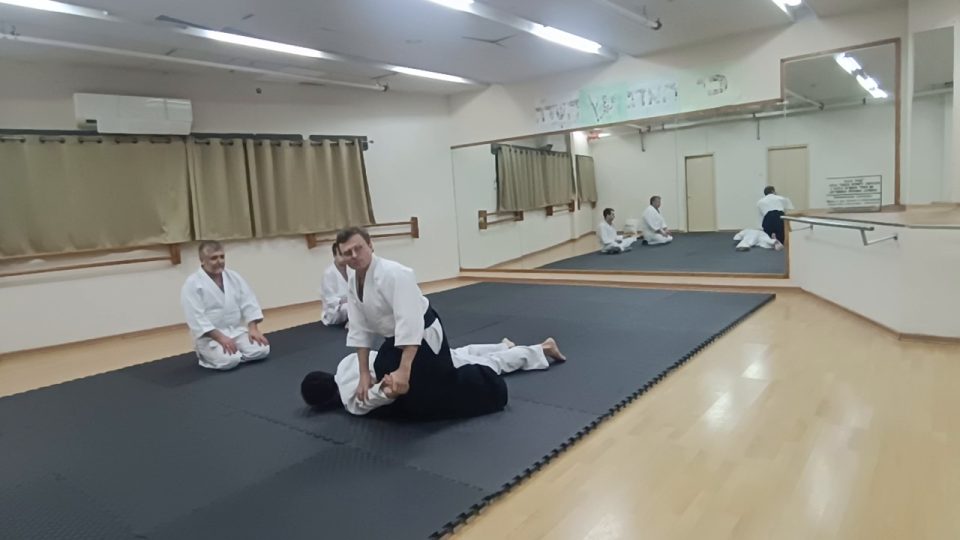
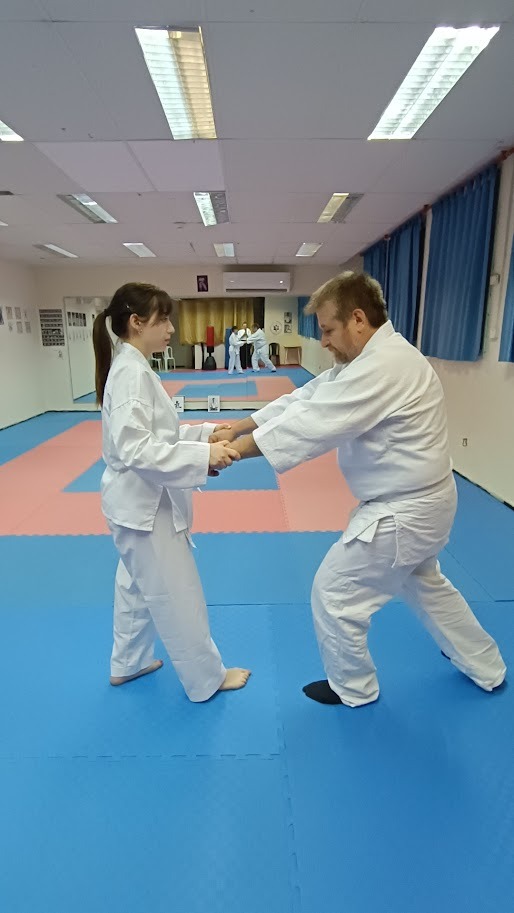
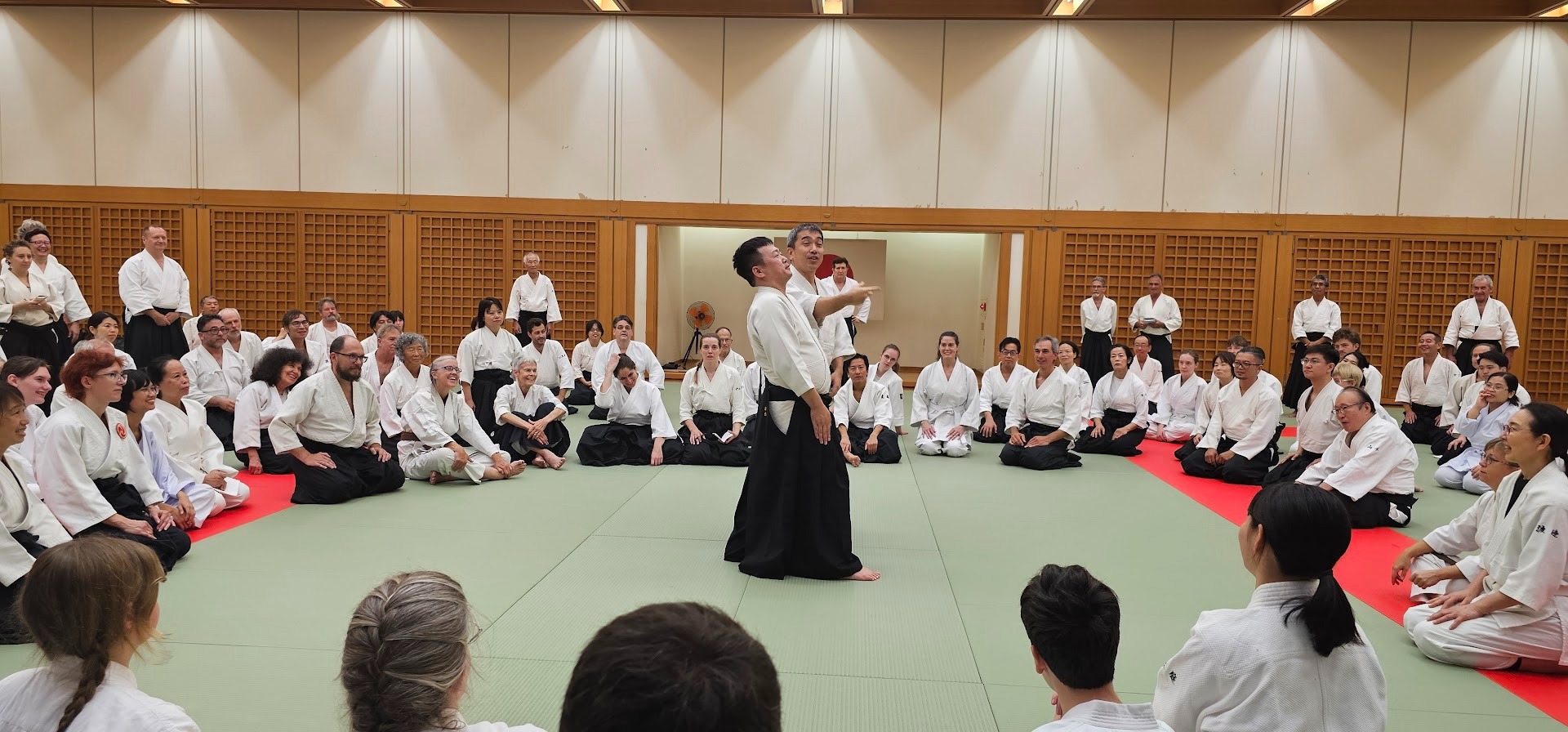
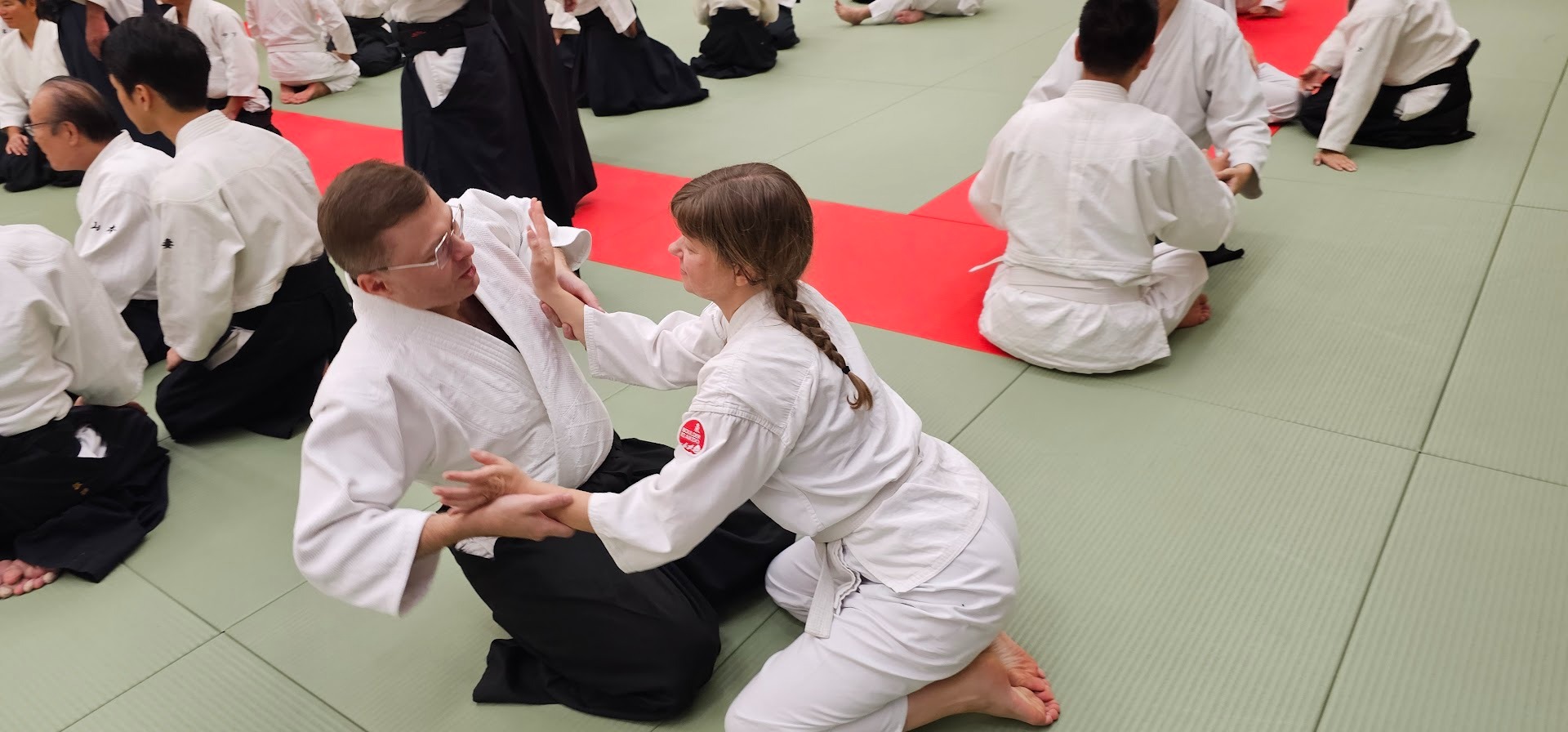
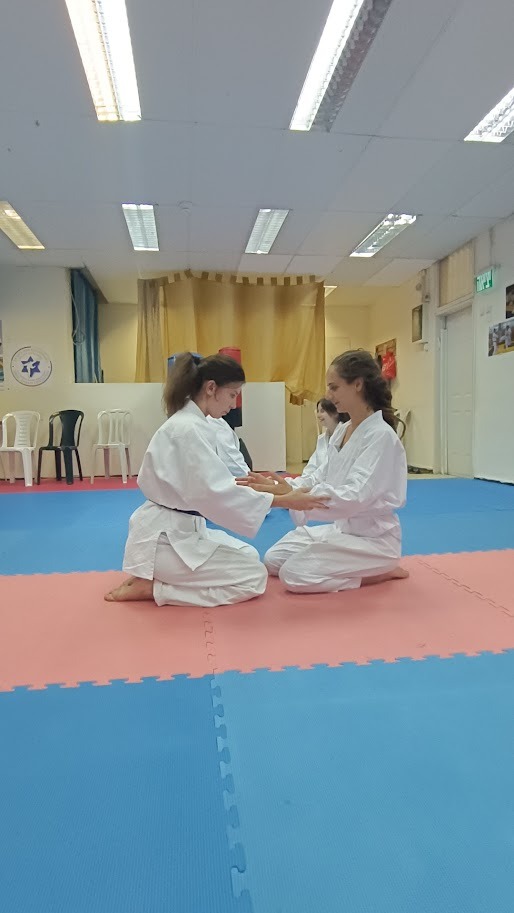
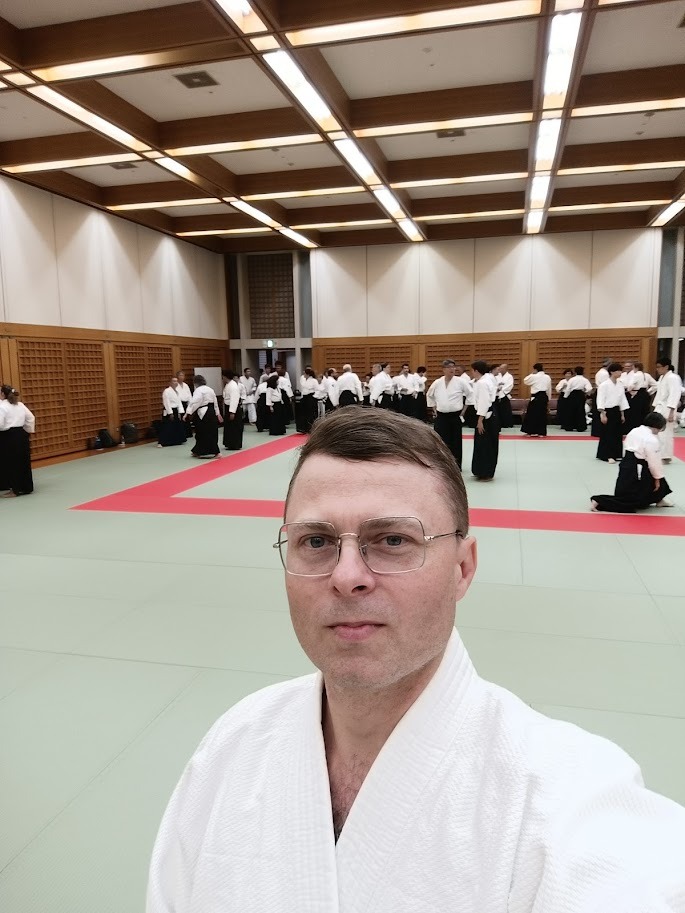
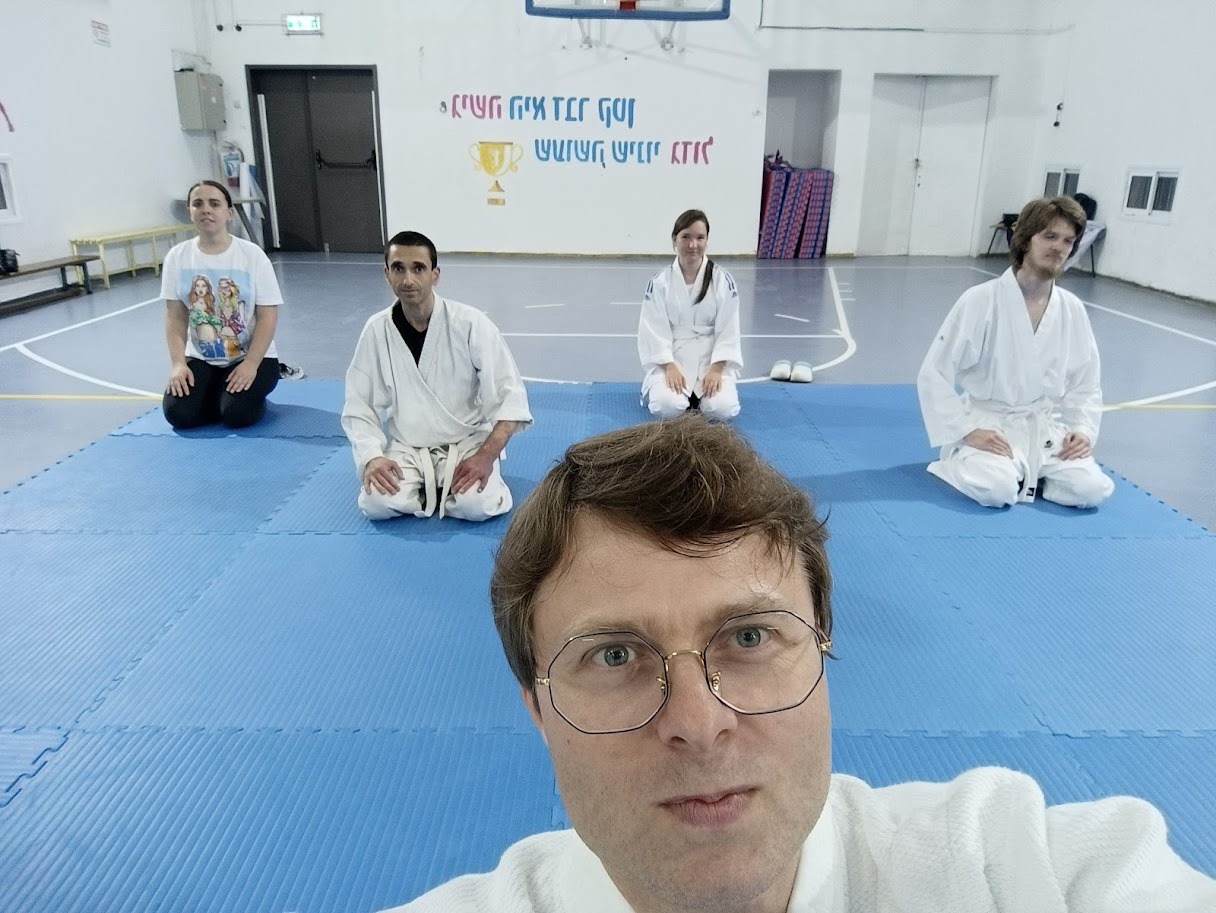
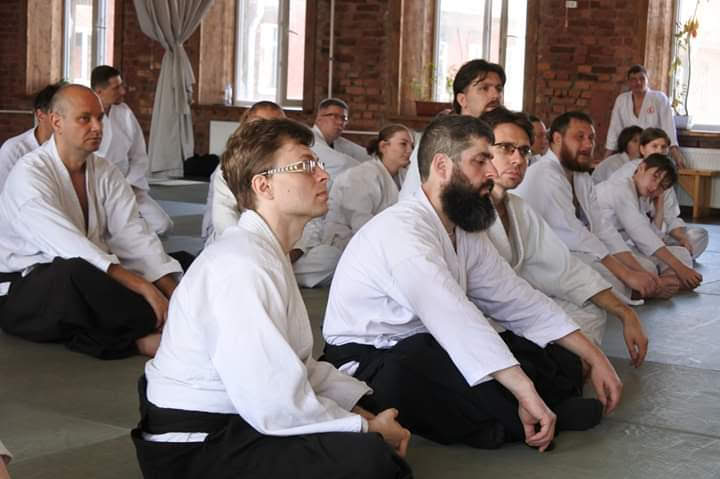
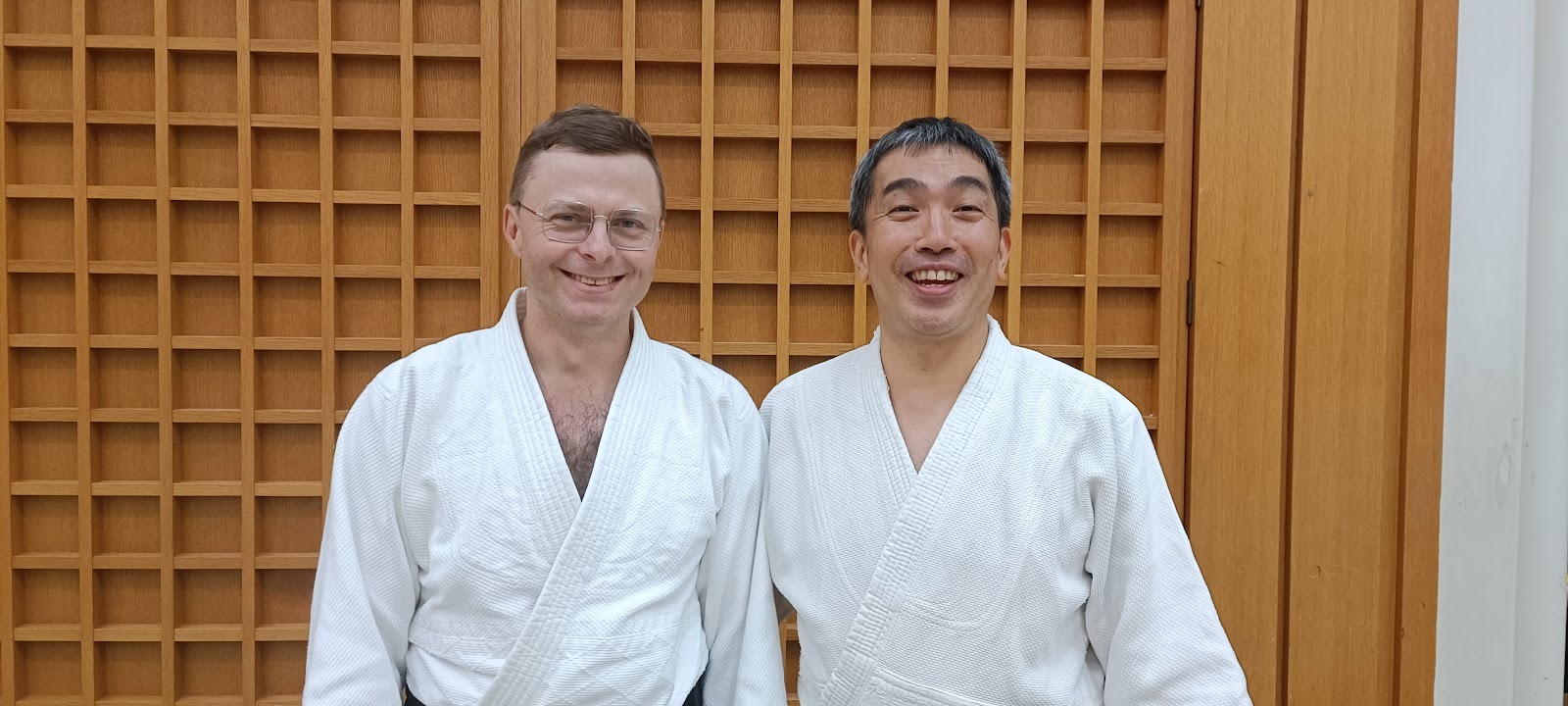
Moments from training, seminars, and the 2024 International Ki-Aikido Camp in Osaka
Everything you wanted to know about Ki-Aikido
Feel free to reach out with any question or sign up for a free trial class
The first trial class is free! Get in touch and we'll schedule a session that works for you.